

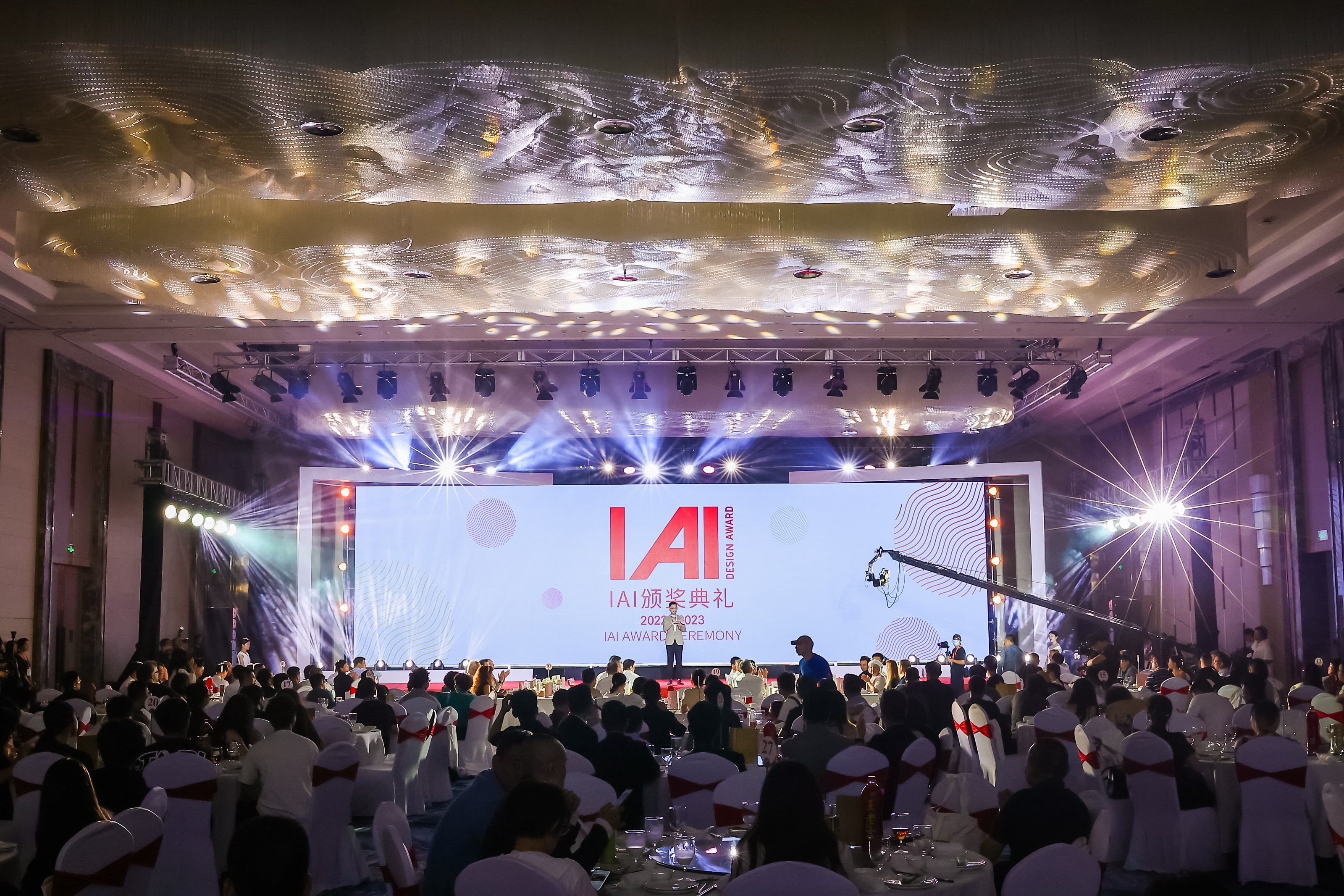
20th Anniversary Official White Paper
The 20th Anniversary, Redefining the Defining Question of Design
In the evolution of the design industry, the finest awards will ultimately transcend the competitions themselves, becoming the core cultural vehicles that chronicle industry iteration, guide value orientation, and define the mission of design. After two decades of deep commitment, the IAI Global Design Award reaches its 20th anniversary milestone in 2026.
Twenty years of accumulated experience represent not only the growth trajectory of the organization itself, but also an important witness to the paradigmatic shifts in global design. Today, design has moved beyond the era of singular evaluation frameworks centered on “aesthetic appearance alone” or “commercial performance alone.” Conventional and rigid international design standards can no longer accommodate the diverse needs of human habitation and social development.
Using this 20th anniversary as a fresh starting point, IAI extends an industry call to designers, academic institutions, and creative organizations worldwide: to critically rethink the fundamental mission of design, to reconstruct the value system of design evaluation, and to advance the return of design to human-centered principles, to people’s livelihoods, and to society — empowering a more balanced, more inclusive, and more beautiful future for human habitation through original creativity, humanistic spirit, and the principles of sustainability.
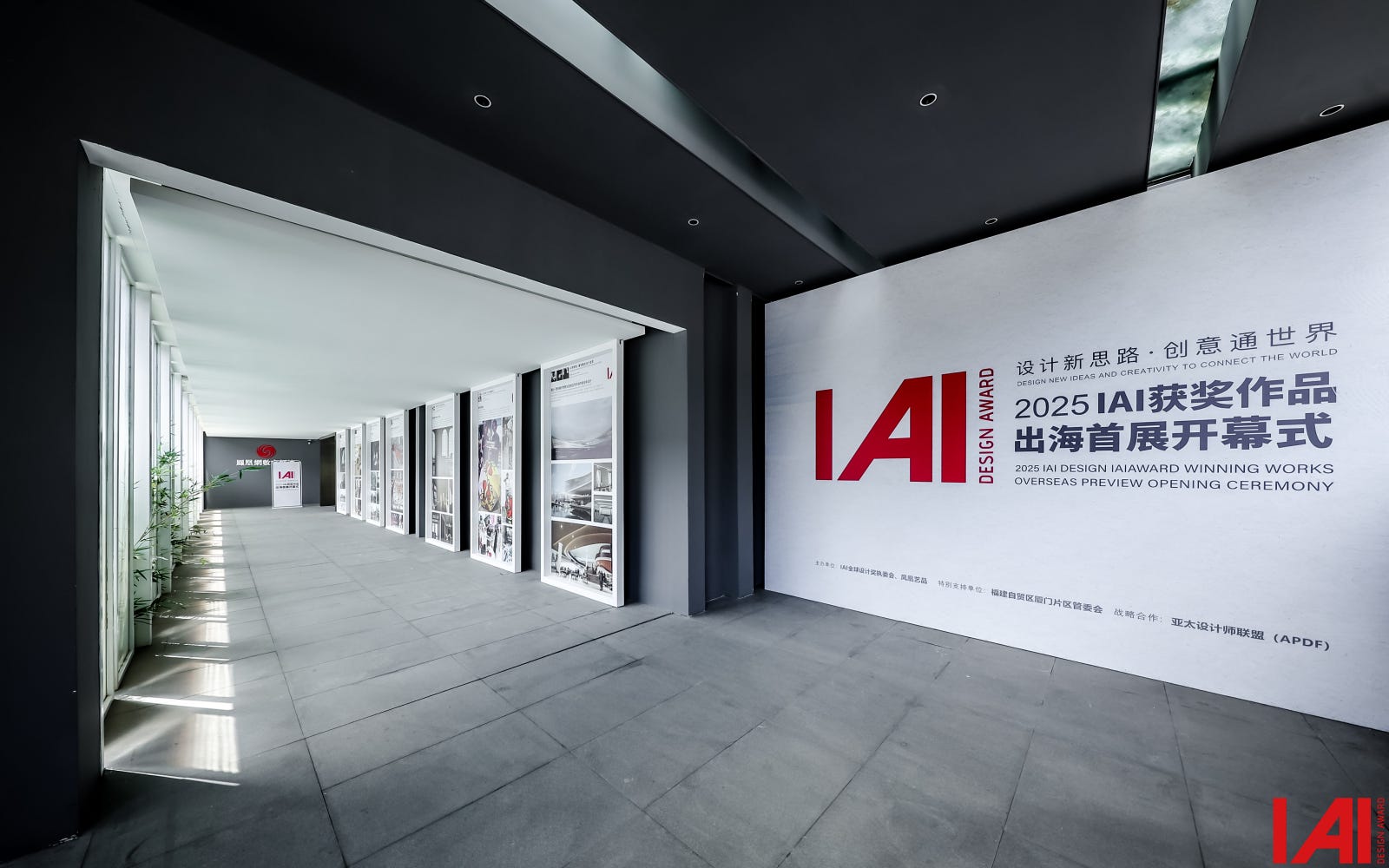
Back to Origins: Rooted in Asia-Pacific, Addressing Three Structural Gaps in the Global Design Evaluation System. Founding Vision: Breaking the Monopoly of a Single Western Aesthetic
IAI Design Award was officially founded in 2006. At that time, the Asia-Pacific design industry was rising rapidly — underpinned by vast urban renewal contexts, diverse local cultures, and the Eastern philosophy of harmonious coexistence between humanity and nature — giving rise to a wealth of high-quality design practices aligned with local livelihoods and indigenous conditions.
Yet for a long time, the global discourse on design had been absolutely dominated by Western systems, with international judging standards, aesthetic paradigms, and communication channels remaining highly singular. Original designs from Asia-Pacific — rooted in local contexts, embodying humanistic values, and serving everyday life — persistently lacked a fair and equitable platform for international showcase and recognition, leaving Eastern design wisdom unable to enter the global mainstream discourse.
Against this backdrop, IAI established its founding mission: rooted in the Asia-Pacific region, to build a design evaluation system that is internationally aligned, independently governed, and grounded in Eastern humanistic values — bridging the gap in Eastern representation within the global design landscape and providing Asia-Pacific original design with equal access to international platforms.
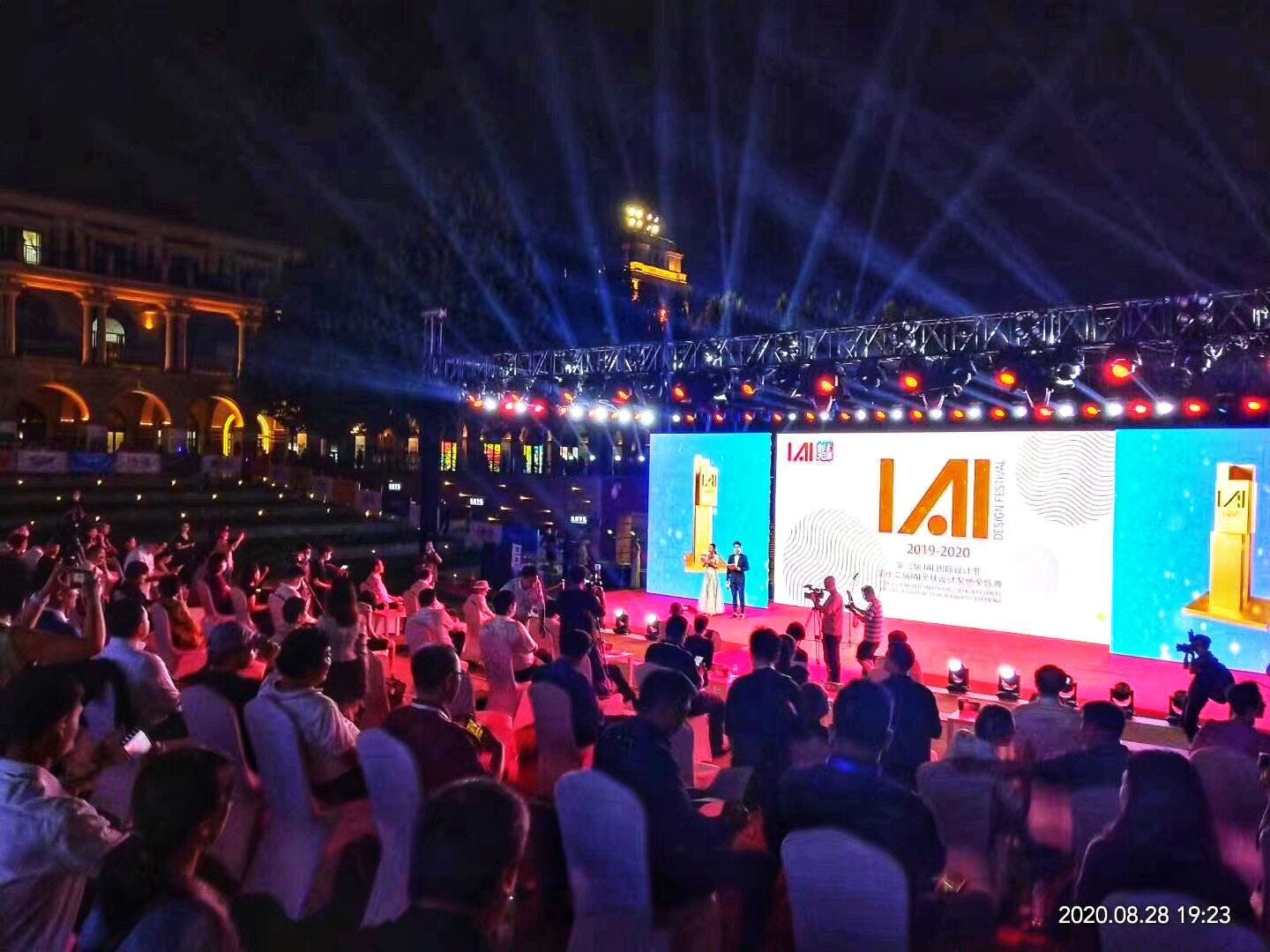
Core Identity: Non-Commercialized, Committed to the Human-Centered Ethos of Design
Since its founding, IAI has consistently rejected purely commercial judging logic — never blindly following trend-driven aesthetics, never privileging commercial value, never chasing popularity metrics. The core mission of the award is to build a long-term, stable, and principled international platform for design exchange, allowing diverse global design values to coexist and flourish.
The award focuses on eight core dimensions: space, product, visual communication, culture, ecology, health & wellness, education, and social welfare, with human-centered design at its core. Over twenty years, it has consistently provided a fair international stage for Asia-Pacific designers, university research teams, and independent creative practitioners, upholding the foundational values of “Design for People, Design for Society, Design for Good.” The new 20th Anniversary competition system continues this founding mission, persistently advancing design’s capacity to serve livelihoods and contribute to sustainable social development.
Industry Value: Addressing Three Structural Gaps in Asia-Pacific Design
The core industry value of IAI lies in precisely addressing three long-standing structural deficiencies in the Asia-Pacific design landscape:
The First Gap: Mismatch between local practice and evaluation standards. Asia-Pacific possesses the richest landscape of urban-rural renewal, rural revitalization, and ecological transformation projects. Many well-executed, locally responsive designs serve real community needs yet fall outside Western visual-evaluation frameworks and therefore fail to gain international recognition. IAI builds a specialized evaluation system adapted to the Eastern context to achieve true value alignment.
The Second Gap: Commercial design crowding out socially valuable design. The industry has long over-weighted commercial and visual value, marginalizing age-friendly design, inclusive design, low-carbon ecology, and rural public interest design. IAI centers design for social good, restoring core value to projects with public benefit and livelihood impact.
The Third Gap: Absence of a dedicated track for youth academic creation. University research, experimental creativity, and cutting-edge academic exploration have long shared evaluation criteria with mature commercial projects, leaving young creators at the margins of industry discourse. IAI builds a dedicated academic platform to empower the growth of the next generation of design talent.
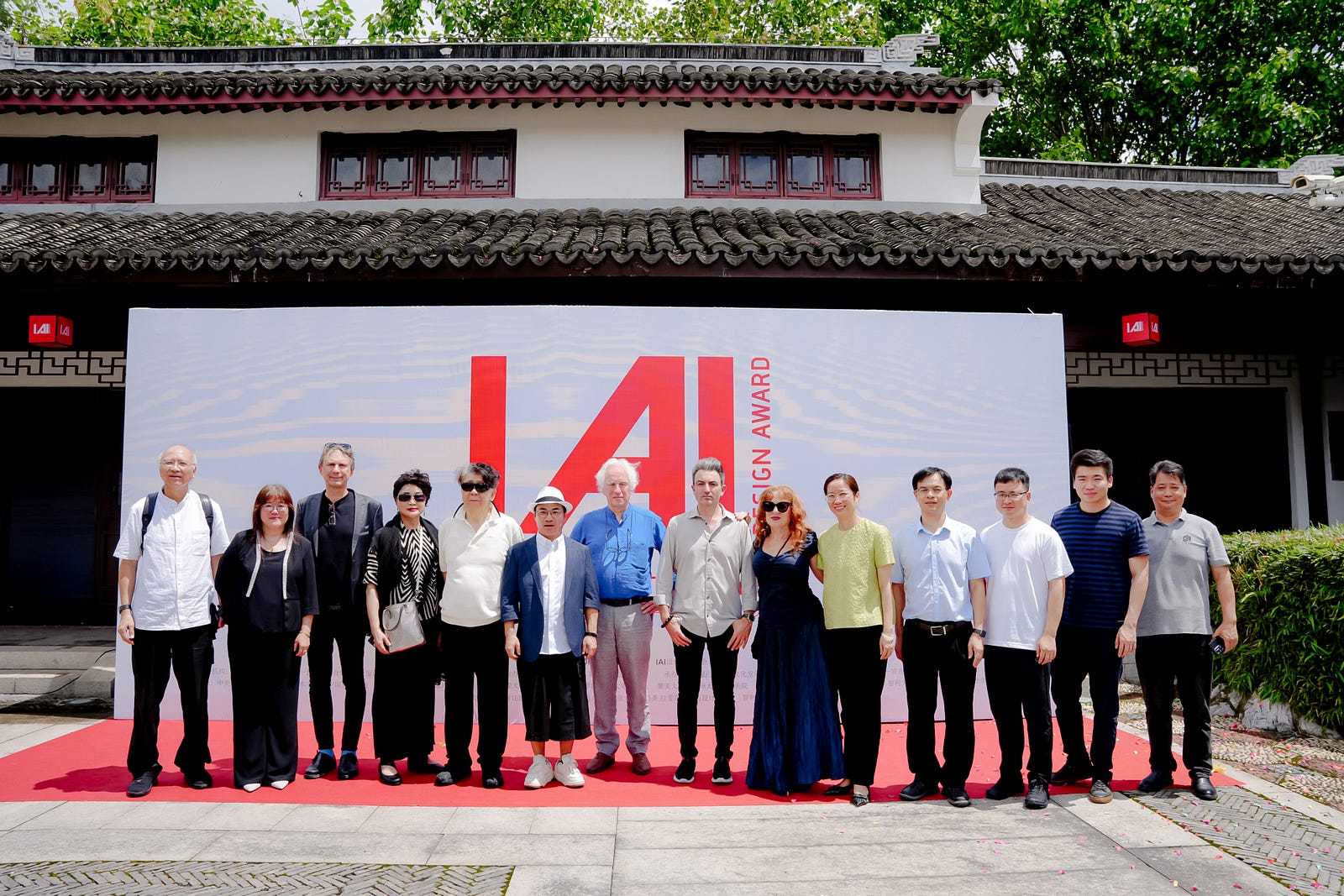
Global Landscape: Complementarity and Coexistence, Reconstructing a Balanced Design Ecosystem Between East and West
IAI has consistently operated on the philosophy of “complementarity rather than opposition,” committed to dismantling the single-center dominance of global design. Western modern design has established mature industrial logic, systematic innovative thinking, commercial operational frameworks, and universal industry standards, laying a solid foundation for the global industrialization of design.
Yet confronted with today’s complex global challenges, ecological crisis, cultural fragmentation, and the diversity of livelihood needs , a singular Western design standard can no longer serve the full spectrum of the world’s diverse habitation contexts. Eastern design, rooted in Asia-Pacific, carries unique and irreplaceable industry value: human-centered care as its core, the philosophy of coexistence as its foundation, and localized implementation as its root.
The core mission of IAI’s 20th Anniversary is to advance the global design landscape’s transition from Western singular dominance toward a balanced coexistence of East and West, elevating Eastern health & wellness living, rural renewal, low-carbon construction, intangible cultural heritage revitalization, and inclusive public design into the global mainstream discourse, and guiding young global designers to move beyond templated replication, to ground themselves in local culture, and to engage in original, forward-looking design exploration.
This is precisely why IAI’s evaluation system is built on four foundational pillars — Creativity, Aesthetics, Functionality, and Social Value. It does not subordinate itself to any cultural hegemony, but rather takes the true essence of design as its standard, constructing a genuinely universal and equitable value benchmark.
Core Judging Philosophy for the 20th Anniversary: One Core, Two Wings, Four Foundational Pillars
The IAI 20th Anniversary introduces a fully upgraded judging philosophy. With the “essence of design” as its core, it establishes four unshakeable evaluation pillars: Creativity, Aesthetics, Functionality, and Social Value, serving as the universal foundational criteria for design evaluation in the new era.
Creativity: The Core Vitality of Design in the Age of AI
Artificial intelligence can generate templated visual outputs at scale, but it cannot replace independent human thought, differentiated insight, or genuine original breakthroughs. In an era of pervasive homogenized design, original creativity is the definitive benchmark separating assembly-line output from truly great design.
Aesthetics: Restrained Expression Carrying Cultural Essence
The aesthetics IAI champions rejects ornamental excess and visual spectacle, instead focusing on the sense of order, proportion, balance, emotional resonance, and regional cultural memory embedded in design. Aesthetics is design’s cultural carrier — imbuing functional design with humanistic warmth and the depth of its era.
Functionality: The Professional Baseline of Executed Design
All creative and aesthetic expression must be grounded in real habitation scenarios and objective human needs. Creativity divorced from practical value is pure artistic expression; only design that is rooted in function and aligned with people’s lives can truly be implemented and serve everyday living.
Social Value: The Highest Standard of Contemporary Great Design
Modern design has long surpassed its initial function of beautifying spaces and products, becoming a core social tool for addressing aging populations, accessible healthcare, ecological restoration, urban-rural development, and cultural continuity. Creativity gives design vitality; aesthetics gives design depth; functionality ensures design is grounded; and Social Value gives design timeless significance that transcends the era.
The Eight Official Competition Tracks of the 20th Anniversary: A Comprehensive Overview
For the 2026 IAI 20th Anniversary, the competition system has been comprehensively iterated, establishing eight parallel official tracks covering the full design industry chain and precisely targeting key social challenges and industry development trends:
IAI Space Design Award
Covering architectural and urban design, public and commercial spaces, offices and residences, exhibition and landscape design, ecological restoration, urban renewal, rural revitalization, community micro-renewal, and integrated concept design. Space is the core carrier of human habitation, community relationships, and cultural memory. The ultimate objective of space design is to create high-quality living environments that align with human nature, integrate into daily life, and balance ecology with humanistic values.
IAI Product Innovation & Manufacturing Award
Encompassing intelligent hardware, home products, mobility devices, medical and care products, industrial tools, and experimental design incorporating new materials, new processes, and new concepts. Focused on technology for social good, achieving deep integration of intelligent technology, humanistic experience, manufacturing craft, and livelihood needs — making technology serve people and empower life.
IAI Visual Communication Design Award
Including brand visual identity, public information design, digital visuals, UI/UX experience, cultural narrative, and public visual creativity. In an era of AI-generated imagery and information overload, high-quality visual design is the core medium for transmitting culture, organizing public information, building social trust, and preserving regional cultural heritage.
IAI Material & Trends Award
Focusing on five frontiers of material innovation: bio-regenerative, circular and low-carbon, intelligent responsive, high-performance structural, and digital craft materials, encompassing everyday ceramics, artistic ceramics, spatial ceramic applications, and future material innovation design. Material is the foundational carrier of design, possessing both ecological footprint and humanistic aesthetic dimensions. New era design is guided by the principle of purposeful material use — balancing visual style, craft aesthetics, and low-carbon ethics through material innovation, allowing material language to become an important expression of contemporary design sensibility and sustainability.
IAI Social Value Design Award
Directed toward public service design, rural and local cultural revitalization, care for vulnerable groups, historic district renewal, and universal livelihood improvement. Focused on the nuanced livelihood scenarios overlooked by elite design circles, using lightweight and human-centered design to enhance the everyday happiness and dignity of the broader population. Great design requires no grand gestures; subtle changes are sufficient to warm hearts and demonstrate social responsibility.
IAI Carbon Neutrality & Ecological Civilization Design Award
Covering low-carbon spaces, energy-efficient products, green manufacturing, environmentally friendly materials, resource circularity, low-carbon branding, and ecological restoration design. Embedding low-carbon and sustainable thinking throughout the full design process, rejecting performative packaging, and making ecological protection a fundamental professional principle for designers. Low carbon is not an optional add-on for design — it is the professional baseline and industry consensus that all design creation in the new era must uphold.
IAI Health & Wellness and Universal Healthcare Design Award
Encompassing inclusive medical spaces, health & wellness residences, public wellness environments, spaces friendly to vulnerable groups, and the creation of health-promoting environments. Grounded in the philosophy of comprehensive wellness, using human-centered spatial design to remove health barriers and create inclusive, warm, and universally accessible health & wellness living environments. Health is not merely a matter of medical treatment; it is a systemic humanistic endeavor encompassing spatial experience, emotional care, social inclusion, and environmental adaptability.
IAI Art & Identity Award
Focused on intangible cultural heritage revitalization, cultural identity reconstruction, place-spirit creation, public art, social issue expression, and cross-cultural design inquiry. Enabling design to become a carrier for cultural inheritance, civilizational dialogue, and social reflection, supporting local cultures in preserving their distinctive identities amid the currents of globalization. Design carries regional memory, distills the spirit of the era, and serves as an essential medium for cultural continuity, identity formation, and civilizational exchange.
The Six Top Honor Awards
Beyond the standard Gold, Silver, Bronze, Excellence, and Nomination awards, the IAI 20th Anniversary exclusively establishes Six Top Honor Awards — the highest level of recognition in the annual design industry. These honors recognize individuals and institutions that have advanced the industry across six dimensions: Lifetime Achievement, Benchmark Works, Institutional Innovation, Youth Creativity, Cultural Inheritance, and International Exchange.
IAI Lifetime Achievement Grand Award
Paying tribute to industry pioneers with decades of dedicated commitment to the design field, recognizing their benchmark contributions to academic development, industrial upgrading, and the standardization and advancement of the industry.
IAI Era Benchmark Design Grand Award
Recognizing benchmark projects with strong implementability, integration of aesthetic and social value, alignment with contemporary trends, and the capacity to document the landscape of modern design development.
IAI Design-Driven Innovative Institution Grand Award
Recognizing enterprises, research institutes, and creative platforms that take design as their core driving force to achieve industrial upgrading, product innovation, and model reconstruction.
IAI Most Innovative Creator Grand Award
Recognizing pioneering designers and young creative talents who break the inherent patterns of the industry, persist in independent original creation, and demonstrate groundbreaking creative vision.
IAI Outstanding Inheritance Grand Award
Recognizing creators and institutions who revitalize intangible cultural heritage lineages using contemporary design language, revive traditional craftsmanship, and achieve the modern renewal of traditional culture.
IAI International Cultural Exchange Design Grand Award
Recognizing individuals and institutions who use design as a bridge to advance Sino-foreign academic exchange, transnational collaboration, and two-way dialogue between Eastern and Western civilizations.
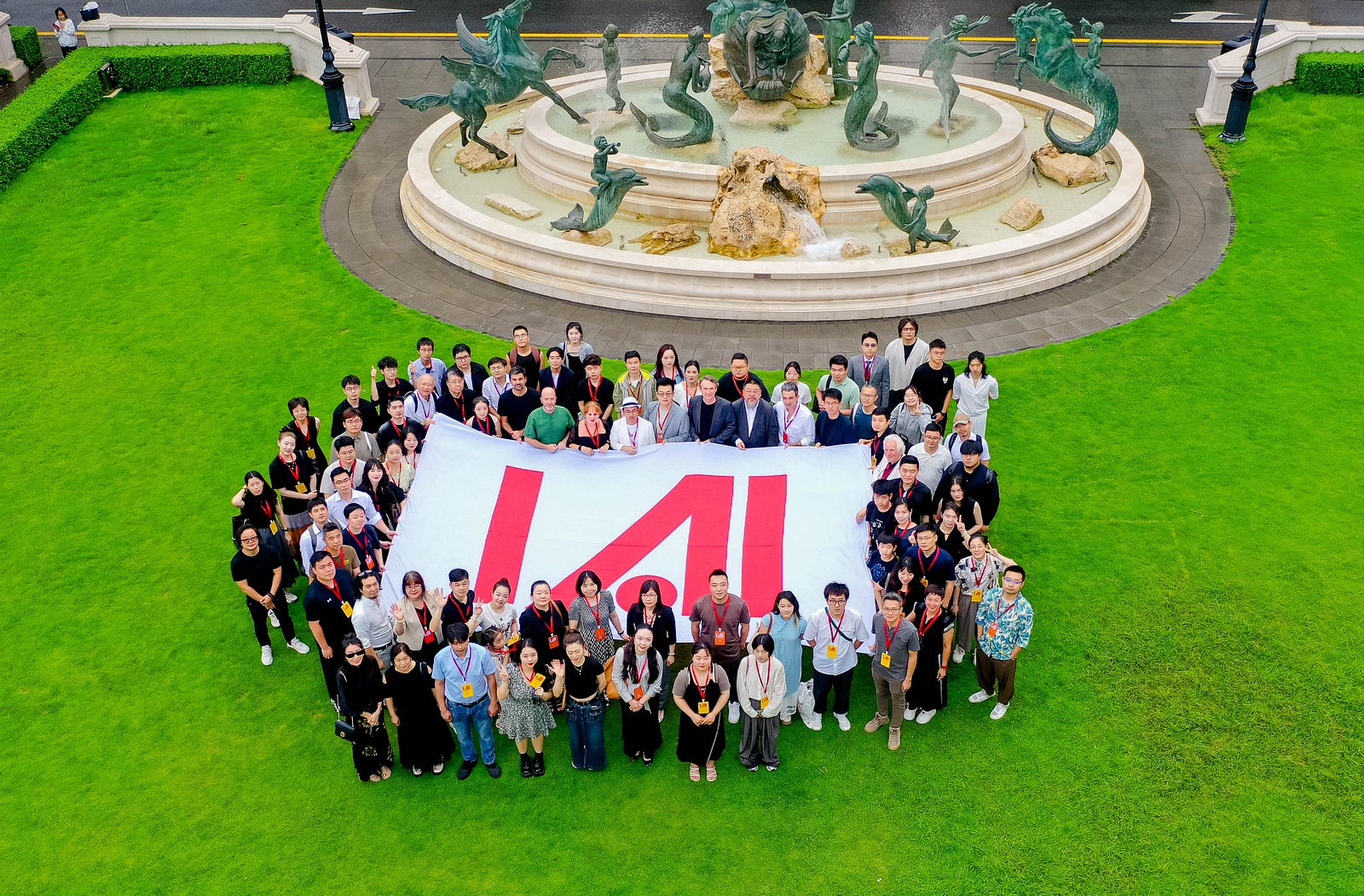
Creative Education Transformation: Charting a Course for Design Education in the Age of AI
The future of the design industry is rooted in design education. Its ultimate mission is not to cultivate software operators and commercial executors, but to foster a new generation of creators with independent aesthetic sensibility, critical thinking, social empathy, public responsibility, and the capacity to imagine the future. Technical drawing skills are the entry-level threshold; humanistic cultivation and innovative thinking are the essential core.
Contemporary design education suffers from two fundamental misconceptions: overemphasizing visual form while neglecting social substance, and prioritizing commercial output while discounting sustainable value. The widespread adoption of AI has further intensified the urgency of educational reform: artificial intelligence can replace all standardized, process-oriented, and mechanical design work, but it can never replace the human capacity to observe life, to empathize with vulnerable groups, or to engage in profound critical inquiry into social problems.
IAI therefore establishes the foundational principles of design education for the Age of AI:
Delegate efficiency to AI. Reserve thinking for human beings.
Delegate templates to AI. Reserve originality for human beings.
Delegate process to AI. Reserve warmth for human beings.
Drawing on twenty years of deep experience in youth education, in 2026 IAI will significantly upgrade the former College Award to the IAI University Design Award, introducing a dual-track participation model — “Academic Dedicated Track + Full-Category Professional Track” — bridging the two-way pathway between university academic research and industry practice, and addressing the gap in global youth creative education’s access to international platforms.
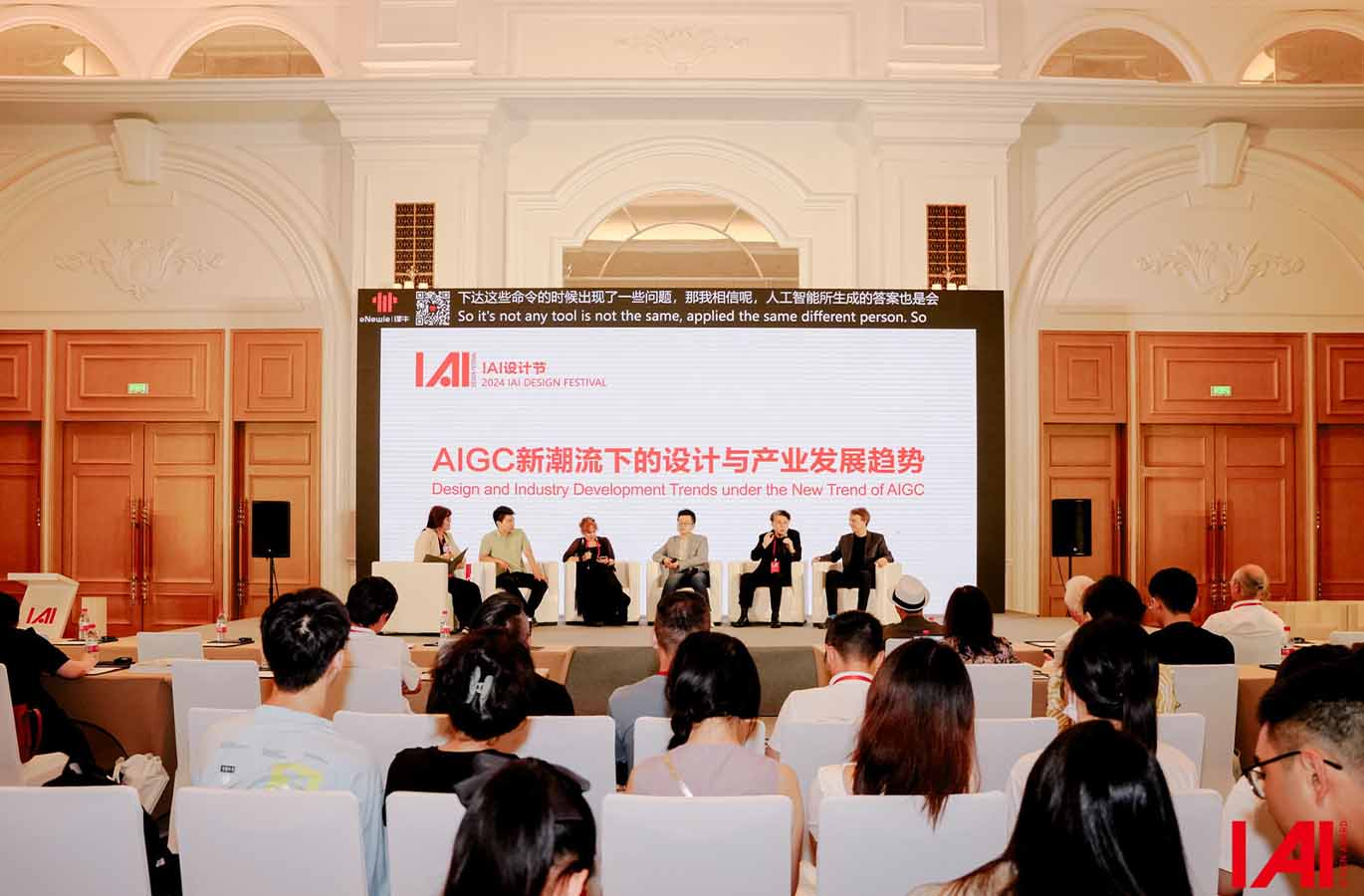
Judging Standards, Participation Value, and the 20th Anniversary Submission Timeline
Universal Judging Principles
IAI strictly adheres to four judging principles: fairness, transparency, independence, and rigor. It assembles a global cross-disciplinary authority panel, employing cross-blind review, multi-tier assessment, and collective deliberation mechanisms to comprehensively avoid favoritism and popularity-based judgments. Evaluation is anchored to the four foundational pillars, with consideration of three pressing contemporary themes — low-carbon ecology, social welfare, and cultural inheritance — maintaining the principle of quality over quantity to rigorously safeguard the integrity of the award.
Comprehensive Participation Value for Entrants
Participation benefits extend beyond singular recognition. Entrants gain global multimedia exposure, internationally authoritative industry endorsement, and eligibility to attend the 20th Anniversary Grand Ceremony, while also accessing global design forums, industry matchmaking sessions, and university academic exchange events — comprehensively empowering individual career development, brand advancement, teaching outcomes transformation, and the international development of young practitioners.
Official 2026 20th Anniversary Submission Timeline
• Global Submission Opens: 1 March 2026
• Early Bird Registration Deadline: 30 April 2026
• Regular Registration Deadline: 15 June 2026
• Final Submission Deadline: 31 July 2026, 23:59 (Beijing Time)
• Preliminary Review + Physical Submission: August 2026
• Expert Final Adjudication + Award List Announcement: September 2026
• IAI 20th Anniversary Global Design Grand Ceremony & Awards Presentation: December 2026
Mandatory Requirements for Submitted Works
All submitted works must be 100% original, free of copyright disputes, plagiarism, or duplicate submissions. Entrants are required to submit high-resolution materials without watermarks, a complete design statement, and official registration information. Awards are structured in six tiers: the 20th Anniversary Supreme Honor, Gold Award, Silver Award, Bronze Award, Excellence Award, and Nomination Award — with work quality as the sole evaluation criterion and no fixed quota for winners.
Future Vision: Two Decades of Deep Commitment, Reconstructing a New Paradigm for East–West Design Education
Western design education excels in rational logic, critical inquiry, and experimental innovation; Eastern design education is grounded in human-centered care, indigenous culture, and attentiveness to everyday livelihoods. The two are complementary and mutually indispensable.
Over the next twenty years, IAI will continuously advance the two-way integration of Eastern and Western design education — through the Global Design University Alliance, the Sino-UK RCA strategic partnership, and Euro-Asian university collaboration programs — building a new design education system that combines rigorous logic with humanistic warmth, and balances innovative experimentation with local implementation, guided by four core visions:
Vision 1: To perfect a globally balanced design evaluation system that integrates Eastern human-centered, low-carbon, and inclusive design wisdom into the global mainstream.
Vision 2: To deepen design education reform, using the University Design Award to solidify the core international platform for the growth of young global designers.
Vision 3: To advance transnational linkages between global universities, implementing joint research programs, faculty and student exchanges, credit recognition, and collaborative creation.
Vision 4: To persist in responsibility-driven design, deepening commitment to four core directions: universal healthcare, low-carbon ecology, cultural revitalization, and livelihood care.
Conclusion: Design for Good, Defining the Benchmark of a New Era
Truly great design never relies on visual spectacle, extravagant budgets, or cutting-edge technology. It is rooted in people’s lives, protects the natural environment, preserves cultural lineage, and transmits humanistic goodwill.
IAI’s mission has never been limited to recognizing outstanding work. It is a bridge for design dialogue between East and West, a catalyst for design education transformation, a fertile ground for the growth of young creative talent, and the standard-setter for design that advances social good.
Looking back at the four questions raised twenty years ago:
What is design? Creative action in response to the defining questions of the era.
Whom does design serve? Every specific individual — every ordinary breath of daily life.
How is design taught? By cultivating the capacities to observe, to empathize, and to think critically — not merely to draw.
How is design evaluated? With creativity as the starting point, aesthetics as the foundation, functionality as the baseline, and Social Value as the highest standard.
2026. IAI’s 20th Anniversary. We sincerely invite designers, university faculty and students, and creative peers from around the world:
Break through with originality. Empower with responsibility. Advance with goodwill.
Make design more compassionate. Make education more profound. Make the industry more healthy.
Twenty years, this is only the beginning.
For more information connect with us here
💛 Love what we do at The New Art School & Design Education Talks podcast? Help keep design education alive!
If you believe in the future of art and design education, please support the independent conversations that help shape it. We need your support to continue. https://www.buzzsprout.com/1969986/support
✨ Join our mailing list: https://sendfox.com/thenewartschool
Explore more: https://linktr.ee/thenewartschool | @newartschool| https://newartschool.education/ | https://heretakis.medium.com/ | https://odysee.com/@thenewartschool:c


