

Phil Cleaver’s What They Didn’t Teach You in Design School: What You Actually Need to Know to Make a Success in the Industry, is a candid, practical, and inspiring guide tailored for art and design students and educators. This book addresses the often-overlooked aspects of transitioning from design school to a professional career in the creative industry. Cleaver, a seasoned designer and educator, draws on his extensive experience to offer actionable advice, real-world anecdotes, and insights from industry professionals. The book serves as a bridge between academic learning and the realities of the design world, equipping readers with the tools to navigate portfolios, client relationships, technical skills, and the creative mindset needed to thrive. This article provides a detailed analysis of the book’s key sections, exploring their depth and relevance for art and design students and educators worldwide, with a focus on comprehensive narrative analysis rather than bullet points.
Overview and Purpose of the Book
The central thesis of What They Didn’t Teach You in Design School is that while design schools excel at teaching technical and creative skills, they often fall short in preparing students for the practical challenges of the industry. Cleaver addresses this gap by offering a conversational guide that feels like a mentorship session with a seasoned professional. The book is structured to follow the journey of an aspiring designer, from crafting a standout CV and portfolio to mastering complex technical processes and building lasting client relationships. It avoids academic jargon, instead weaving together practical tips, personal stories, and quotes from industry figures to create an engaging and relatable narrative. For students, it provides a roadmap to entering the competitive design world; for educators, it offers insights to better prepare students for professional life. The book’s tone is encouraging yet pragmatic, urging readers to embrace both the creative and business sides of design.
Entering the Design Industry
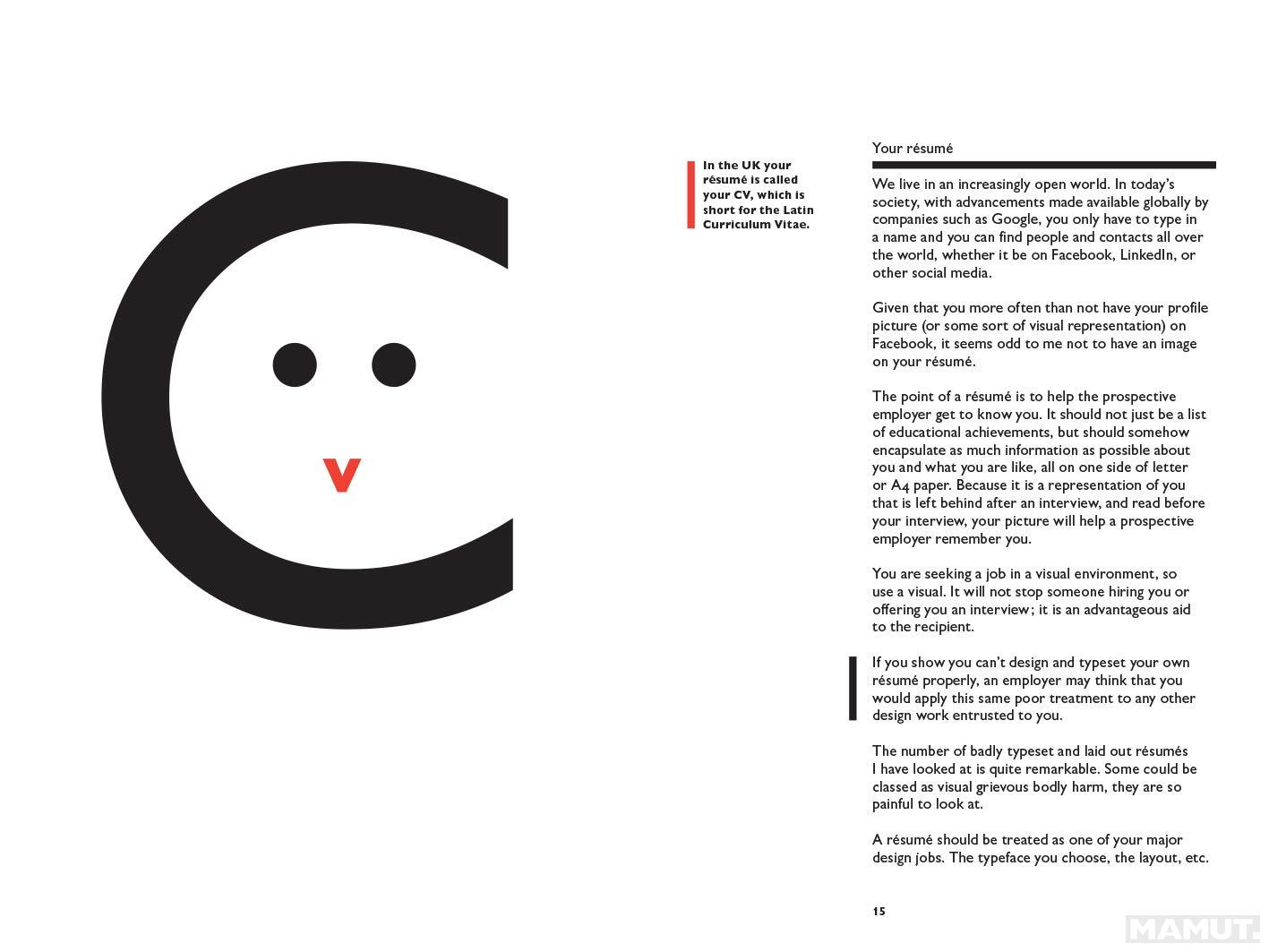
One of the book’s most valuable contributions is its in-depth exploration of how to break into the design industry, a daunting task for many graduates. Cleaver begins by addressing the creation of a CV, which he describes as a concise document that should highlight relevant skills, education, and experience tailored to the design field. He advises against generic or overly lengthy CVs, emphasizing the need for clarity and professionalism to make a strong first impression. This guidance is particularly relevant for UK students, where the term “CV” is more commonly used than “resume,” and employers expect a polished, targeted document.
The portfolio, however, is the cornerstone of a designer’s application, and Cleaver dedicates significant attention to its curation. He argues that a portfolio should not be a mere collection of work but a carefully designed project in itself, showcasing the designer’s best pieces in a format that reflects their personal style. He suggests keeping it compact and impactful, avoiding the temptation to include every project. A standout insight is his emphasis on including a sketchbook alongside the portfolio. Unlike the polished final pieces, a sketchbook reveals the raw, creative process—doodles, notes, and ideas that demonstrate a designer’s thinking. This resonates deeply with the creative ethos of UK design education, where process-driven work is often valued as much as the final product.
Cleaver also provides practical advice on navigating job applications and interviews. He warns against sending mass emails to studios, as they are likely to be ignored, and instead encourages personalized approaches to build genuine connections. His anecdotes about his own job-hunting experiences, including awkward interviews and unexpected opportunities, humanize the process and highlight the importance of resilience. For instance, he recounts a moment of boldness at his degree show, where calling out to a distinguished professional led to a studio visit, illustrating the value of seizing opportunities. Internships are presented as a critical stepping stone, addressing the classic dilemma of needing experience to get a job and a job to gain experience. Cleaver advises students to view internships as learning opportunities, even if they involve mundane tasks like making tea, as these roles build relationships and demonstrate work ethic.
Networking is another key focus, with Cleaver urging designers to be proactive in meeting people and building a professional network. He emphasizes that success in design often depends on relationships, not just talent. This advice is particularly pertinent for UK students, who may be entering competitive hubs like London, where personal connections can open doors. By framing the job search as a combination of preparation, persistence, and personality, Cleaver provides a holistic guide to launching a design career.
Mastering Technical Skills
The book delves deeply into the technical skills essential for professional designers, many of which are not adequately covered in academic curricula. Typography is a recurring theme, and Cleaver treats it with reverence, comparing well-executed typography to a “great painting.” He advocates starting logo designs in black and white with pencil and paper, emphasizing the importance of mastering form before moving to digital tools. This approach encourages students to focus on the fundamentals of design, fostering a tactile understanding of type that is often lost in digital workflows. For UK educators, this aligns with the emphasis on craft in design programs, where students are encouraged to explore analogue techniques before digital ones.
Print production is another area where Cleaver’s expertise shines. He provides detailed guidance on creating print specifications, understanding colour systems like CMYK and Pantone, and checking print proofs to ensure quality. He explains that colours on a computer screen can be misleading due to backlighting, and designers must rely on physical swatch books to ensure accuracy. This is critical for students, who may not encounter real-world printing challenges until their first professional project. Cleaver’s advice on working with printers—building trust, understanding paper stocks, and attending press checks—empowers designers to take control of the final output, ensuring their vision translates to the printed page.
The book also covers essential software skills, such as batch processing images in Photoshop, setting up style sheets and master pages in InDesign, and choosing appropriate file formats for different jobs. Cleaver explains that using the wrong file format is like “trying to slice a loaf of soft white bread using a hammer,” leading to messy results. These technical sections are written with clarity, making complex processes accessible to students who may be intimidated by software. For educators, these chapters provide a framework for teaching practical skills that complement creative coursework.
While the book’s coverage of web design is less comprehensive, it offers valuable insights into wireframing, responsive design, and preparing graphics for the web. Cleaver advises designers to think in pixels and prioritize imagination over technical constraints, encouraging them to create flexible designs that adapt to various devices. Although not a complete web design manual, these sections are a useful starting point for students interested in digital design, particularly in the context of the UK’s growing tech and creative industries.
Professionalism and Client Relationships
Cleaver places significant emphasis on the soft skills that define a successful designer, particularly in managing client relationships and presenting ideas. He argues that designers should view clients as partners, fostering mutual respect to create better outcomes. This mindset shift is crucial for students, who may initially see clients as obstacles rather than collaborators. Cleaver advises designers to thoroughly understand a client’s business and competition before designing, ensuring solutions are tailored to their needs. This requires asking questions and clarifying briefs, a skill that students can practice in classroom critiques and apply in professional settings.
Presenting visual ideas to non-visual people is another critical skill Cleaver explores. He advises designers to present with passion and clarity, ensuring portfolios are self-explanatory yet supported by enthusiastic explanations. He warns against presenting too many options, as clients may choose the weakest one, a pitfall that can frustrate designers. This advice is particularly relevant for UK students, who may work with clients in industries like publishing or branding, where clear communication is essential.
Writing proposals and invoices is another area where Cleaver offers practical guidance. He suggests treating proposals as design projects, presenting them with the same care as creative work to demonstrate professionalism. Invoicing should be clear and include all legal details, with a touch of humour to make it memorable. These insights help students understand the business side of design, which is often undertaught in academic programs. For educators, these sections provide material for teaching professional practice, ensuring students are prepared for the administrative aspects of their careers.
Fostering a Creative Mindset
Beyond technical and professional skills, Cleaver’s book is a call to embrace a creative and resilient mindset. He encourages designers to draw inspiration from life, not just screens, quoting Sir John Hegarty’s advice to “remove the headphones and unplug the computer.” This resonates with the UK’s rich tradition of observational drawing and contextual research in design education. Cleaver urges designers to be brave, take risks, and think the unthinkable, fostering a sense of creative confidence that is essential for standing out in a competitive field.
The book also normalises mistakes as part of the creative process, with Cleaver asserting that “anyone who doesn’t make mistakes won’t make anything.” He shares personal stories of failures and recoveries, illustrating that resilience is key to growth. This is particularly encouraging for students, who may fear failure as they transition to professional work. For educators, it underscores the importance of teaching students to view setbacks as learning opportunities.
Cleaver’s enthusiasm for design is infectious, as he describes it as “brilliant fun” and encourages designers to immerse themselves in their craft. He emphasizes the importance of self-confidence, built through preparation and a belief in the value of one’s work. This message is vital for UK students entering a globalized industry, where confidence and originality are key differentiators.
Collaboration and Teamwork
Collaboration is a recurring theme, with Cleaver offering advice on working with illustrators, printers, and colleagues. He suggests giving illustrators creative freedom rather than over-directing them, ensuring the best possible outcome for portfolio pieces. Similarly, building trust with printers and understanding their processes leads to better print results. In the studio, Cleaver encourages proactivity, even in small tasks like sourcing materials, as a way to demonstrate initiative and build trust. These insights are invaluable for students, who may not realize the importance of teamwork until they enter a professional environment. For educators, these sections provide a framework for teaching collaboration, a critical skill in the interdisciplinary UK design industry.
Strengths and Unique Features
The book’s strength lies in its blend of practical advice, motivational insights, and real-world anecdotes. Cleaver’s conversational tone makes complex topics accessible, while quotes from industry professionals like Alan Fletcher, Steve Williams, and Elizabeth Rogers add depth and credibility. His personal stories, such as bold interactions at degree shows or navigating challenging interviews, ground the advice in reality, making it relatable for students. The book’s focus on often-ignored topics like email etiquette, file organization, and the importance of checking one’s own work adds practical value that complements academic learning.
For UK audiences, the book’s emphasis on CVs and its occasional references to the London design scene make it particularly relevant. While some anecdotes reference US contexts, the principles are universal and easily applicable to the UK’s creative industries. The book’s encouragement to balance creativity with professionalism aligns with the UK’s design education ethos, which values both craft and commercial awareness.
Art and Design Students and Educators
For students, What They Didn’t Teach You in Design School is an essential guide to navigating the transition from academia to industry. It demystifies the professional world, offering concrete advice on building portfolios, securing jobs, and mastering technical processes while fostering a resilient, creative mindset. The book’s emphasis on communication and collaboration prepares students for the realities of working with clients and teams, a critical aspect of the UK’s collaborative design culture.
For educators, the book is a valuable resource for teaching professional practice. Its practical tips on CVs, portfolios, and client communication can be integrated into coursework, while its focus on resilience and creativity can inspire classroom discussions. The book’s anecdotes and quotes provide real-world context, helping educators bridge the gap between theory and practice. By addressing the practical and emotional challenges of a design career, it equips educators to better prepare students for the industry.
Phil Cleaver’s What They Didn’t Teach You in Design School is masterful! A comprehensive and inspiring guide that fills the gaps left by traditional design education. Its detailed advice on entering the industry, mastering technical skills, building client relationships, and fostering a creative mindset makes it an invaluable resource for UK art and design students and educators. By combining practical guidance with motivational insights, Phil empowers readers to approach their careers with confidence, professionalism, and passion. The book’s core messages is clear and impactful, offering timeless wisdom for navigating the dynamic and competitive world of design.

 The New Art School