

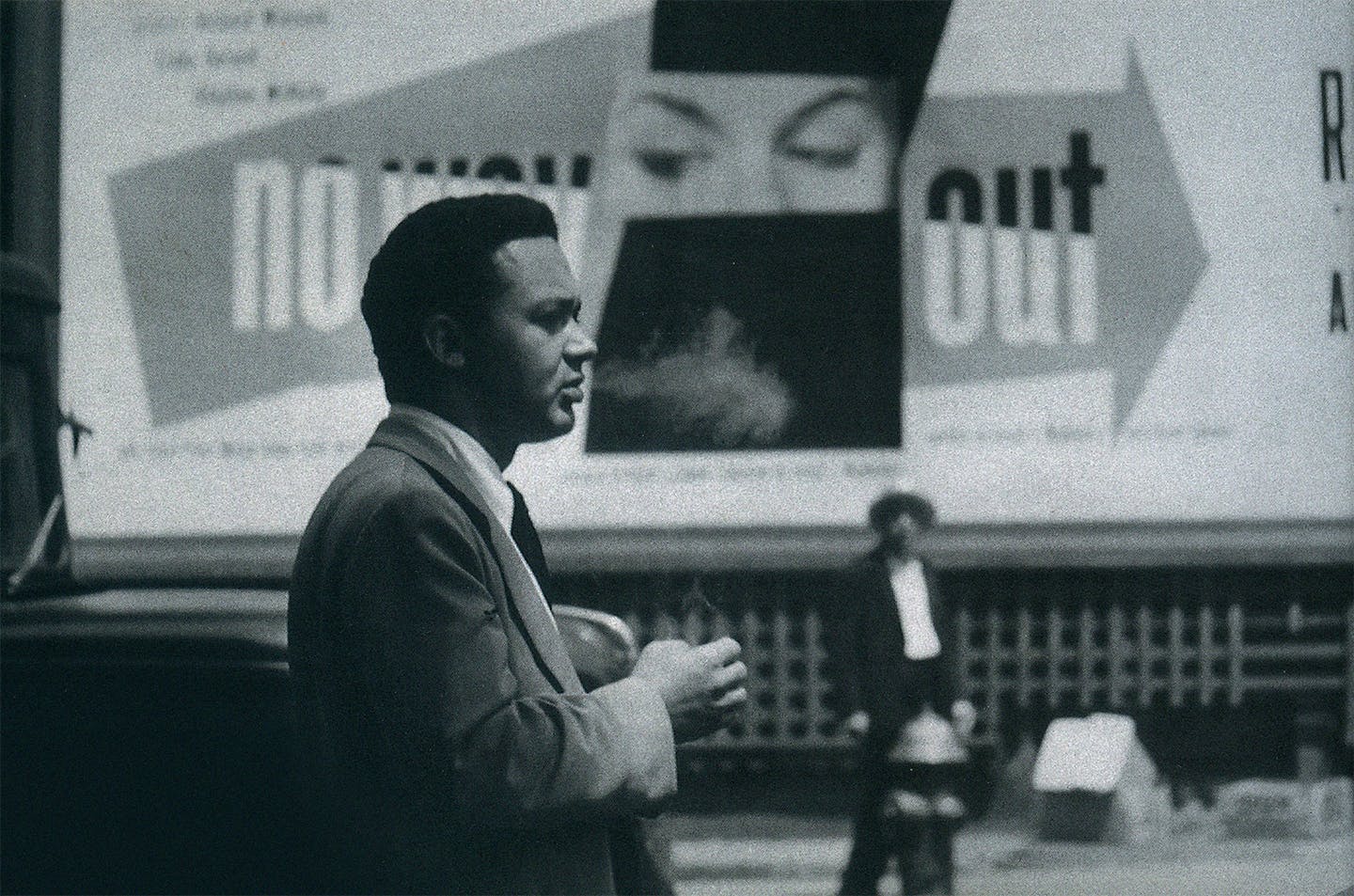
There’s something undeniably romantic about recalling the days before Apple, Adobe Creative Suite, and even the digital revolution spearheaded by AI tools like Midjourney or generative design software. A time when a graphic designer wasn’t just expected to manipulate pixels but was fundamentally an artist who drew. The very act of creation involved pen to paper (or pencil to sketchbook), the tactile engagement with form, composition, and structure being central.
In those pre-internet browser days, perhaps stretching back further for some of us nostalgic souls, ideas weren’t merely sketched; they were forged in the process of drawing. The physical act wasn’t just about representation; it was a thinking tool. Graphic designers would spend hours rendering concepts by hand, each mark considered, each curve deliberate. These weren’t just pretty pictures waiting for approval; they were explorations, experiments, formulations. Clients were often wowed not by slick digital mockups but by the sheer audacity and craftsmanship of hand-rendered visuals, lettering that flowed like poetry, illustrations with weight and texture, compositions built meticulously.
Once a design hit its mark, so to speak, other artisans took over: the typographer refining layouts, the writer crafting copy, the photographer capturing moments, the retoucher perfecting details. And then there were the artworkers, the crucial link in the traditional chain, who pasted up elements, marked them precisely onto proofs, managing everything from physical typesetting to complex imposition for print. They soaked up pressure like seasoned plumbers dealing with a stubborn pipe join, ensuring every element was perfectly aligned and accounted for before it went to press.
It was labour-intensive, yes. Demanding skill, creativity, and often fuelled by the occasional all-nighter under tight deadlines or client revisions. But there was also immense pride in mastering these tools, whether it was rendering lettering with a nib pen until it became second nature, understanding colour theory through physical swatches, or knowing the anatomy of typefaces intimately because you had to draw them yourself.
And The Best? They thrived not just on caffeine and adrenaline but on the deep satisfaction derived from creating something tangible, meaningful, and meticulously crafted. There was a certain purity in that process, less noise, more focus; technology existed (like physical drawing boards or ruling pens), but it wasn’t the driver of creativity.
Now, design is easy. Or at least, we think it should be. Everyone’s an expert now, armed with apps and plugins that promise instant results. Can’t draw? Doesn’t matter, just use a vector tool! Never heard of kerning? Who cares, let Photoshop handle the spacing automatically! Seen that new Instagram filter for design? What do you mean where’s the big idea?
This sentiment reflects a significant shift, perhaps even a crisis in modern design perception. The ease afforded by technology has democratized creation but also diluted focus. With countless tools at our fingertips, sometimes we forget to ask why. We get lost in the technical possibilities, the endless effects, the hyper-realistic renderings possible with AI, rather than honing the core principles that make design truly effective and impactful.
We’ve moved on from needing manual drawing skills for initial concepts. The emphasis has shifted towards speed, iteration, and often superficial visual appeal over deep conceptual development and typographic precision. Big ideas seem harder to grasp in this environment; they get lost amidst the noise of clever tricks and fleeting trends.
But here’s the thing: things have moved on, and so have I [referring to the author’s own evolution]. And crucially, it’s not modern technology that has made me a better designer. It’s everything I learned the old-fashioned way, even if those ways were themselves evolving with tools like the Conte crayon or manual layout software, combined with my own inherent perfectionism and passion for finding that elusive big idea.
This is where Paul Rand becomes incredibly relevant, perhaps more so than ever before. He wasn’t just a designer; he was an educator, a philosopher of design, and his work bridges that gap between the traditional reverence for craft and the modern need for clarity and meaning.
Paul Rand’s teachings are distilled wisdom from both sides of the fence. He understood deeply the power and limitations of the tools available during his peak, typewriters, film cameras, manual drawing techniques, offset printing presses. His book Thinking with Type is a masterclass in understanding typography not just technically but conceptually; how it shapes perception, builds hierarchy, and communicates effectively.
Yet, he wasn’t bound by nostalgia or dogma. He synthesised traditional principles, like the careful study of form, composition, colour theory, and typographic anatomy, into something new: a powerful, minimalist visual language that speaks directly to our modern communication needs. His work for IBM, with its stark geometric shapes and limited palettes, wasn’t about mimicking past styles; it was about creating a bold, forward-thinking identity rooted in fundamental design truths.
Key Randian Ideas That Cut Through the Noise:
1. The Power of Simplicity: This is perhaps his most famous tenet. “Good design is obvious; great design is transparent.” He championed stripping away the unnecessary, not just visually but conceptually. His work often looked deceptively simple, yet it was rigorously constructed. It wasn’t about what you put in, but more importantly, what you leave out. This directly counters the tendency to overcomplicate designs with trendy effects or excessive visual clutter.
2. Intentionality and Meaning: Rand believed design should serve a purpose. The form must follow function, but even more crucially, it must follow meaning. His work wasn’t just visually pleasing; it was conceptually driven. He asked: Why this shape? What does this colour represent? How does the composition reinforce the message or brand identity?
3. Mastery of Foundational Principles: Despite embracing modern tools and techniques, Rand remained deeply knowledgeable about traditional design elements, grids, alignment, repetition, contrast, scale, rhythm, hierarchy. He saw technology as an amplifier but not a replacement for understanding these core tenets.
4. Typography as Architecture: This is the heart of Thinking with Type. For Rand, typography wasn’t just arranging letters; it was about creating structure and space. Understanding typographic anatomy (x-heights, ascenders, descenders), leading, kerning, tracking, and how different typefaces interact within a grid hierarchy was paramount to effective communication.
5. Design as Communication: At its root, design is communication. Rand’s work often aimed to transcend the visual, conveying deeper ideas or emotions through carefully considered form and content.
How This Resonates Today:
In my own journey, moving beyond the purely manual methods of yesteryear into today’s complex digital landscape, I’ve found that returning to Paul Rand’s principles offers a powerful antidote to the superficiality often seen in design. His insistence on simplicity forces us to ask fundamental questions about our work, stripping away ego and chasing fleeting trends.
His focus on meaning compels designers (even those using AI tools) to dig deeper into client needs, project goals, and user experience before even thinking about visual style. It’s easy to generate a beautiful image with Midjourney; harder is knowing exactly what problem it solves or which part of the design process it truly represents.
His mastery of foundational principles provides an unwavering anchor in a sea of constantly changing tools and fleeting trends. Understanding grid systems, for example, helps immensely when using complex layout software or even interpreting AI-generated suggestions, you can ask if they align with core compositional rules rather than just chasing novelty.
And his passion? That’s the driving force behind all this. The dedication to creating work that is not only technically proficient but also ethically sound and truly useful in the world. This resonates strongly with my own perfectionism, a relentless pursuit of clarity, precision, and impact, guided by timeless principles rather than just chasing the latest shiny object.
So, while technology has undeniably changed design, making it faster and more accessible (though sometimes at the cost of depth), the core challenge remains: how do we use these powerful tools to serve meaning, not replace it? How do we ensure that our designs are clear, honest, and impactful?
Paul Rand offers a blueprint. His work reminds us that true mastery lies in understanding both the historical context and the fundamental principles of design, combined with an unwavering passion for clarity and communication.
It’s easy to be an expert now, but it takes real skill and dedication to become a great designer, guided by thinkers like Paul Rand who understood that the most enduring designs are those built on timeless foundations. The occasional all-nighter might look different in 2024, perhaps spent refining a typographic grid or iterating on a minimalist concept using new tools, but the goal remains the same: to create work that truly matters.
If you’re vibing with what we do at The New Art School & Design Education Talks podcast 🎙️ and it’s helped or inspired you, consider supporting the project 💛 Even small donations go a long way → https://www.buzzsprout.com/1969986/support
Let’s keep design education alive & thriving! 🙌 #DesignEducation #SupportCreators
Where to Find More
Since its inception in 2019, Design Education Talks podcast has served as a dynamic platform for the exchange of insights and ideas within the realm of art and design education. This initiative sprang from a culmination of nearly a decade of extensive research conducted by Lefteris Heretakis. His rich background, intertwining academia, industry, and student engagement, laid the foundation for a podcast that goes beyond the conventional boundaries of educational discourse. Support the Show 👉https://www.patreon.com/thenewartschool Equipment used to produce the podcast: 👉https://kit.co/heretakis/podcasting See our work on 👉https://linktr.ee/thenewartschool Follow us on twitter at 👉@newartschool Read our latest articles at 👉https://heretakis.wordpress.com/ and 👉https://heretakis.medium.com/

 The New Art School