

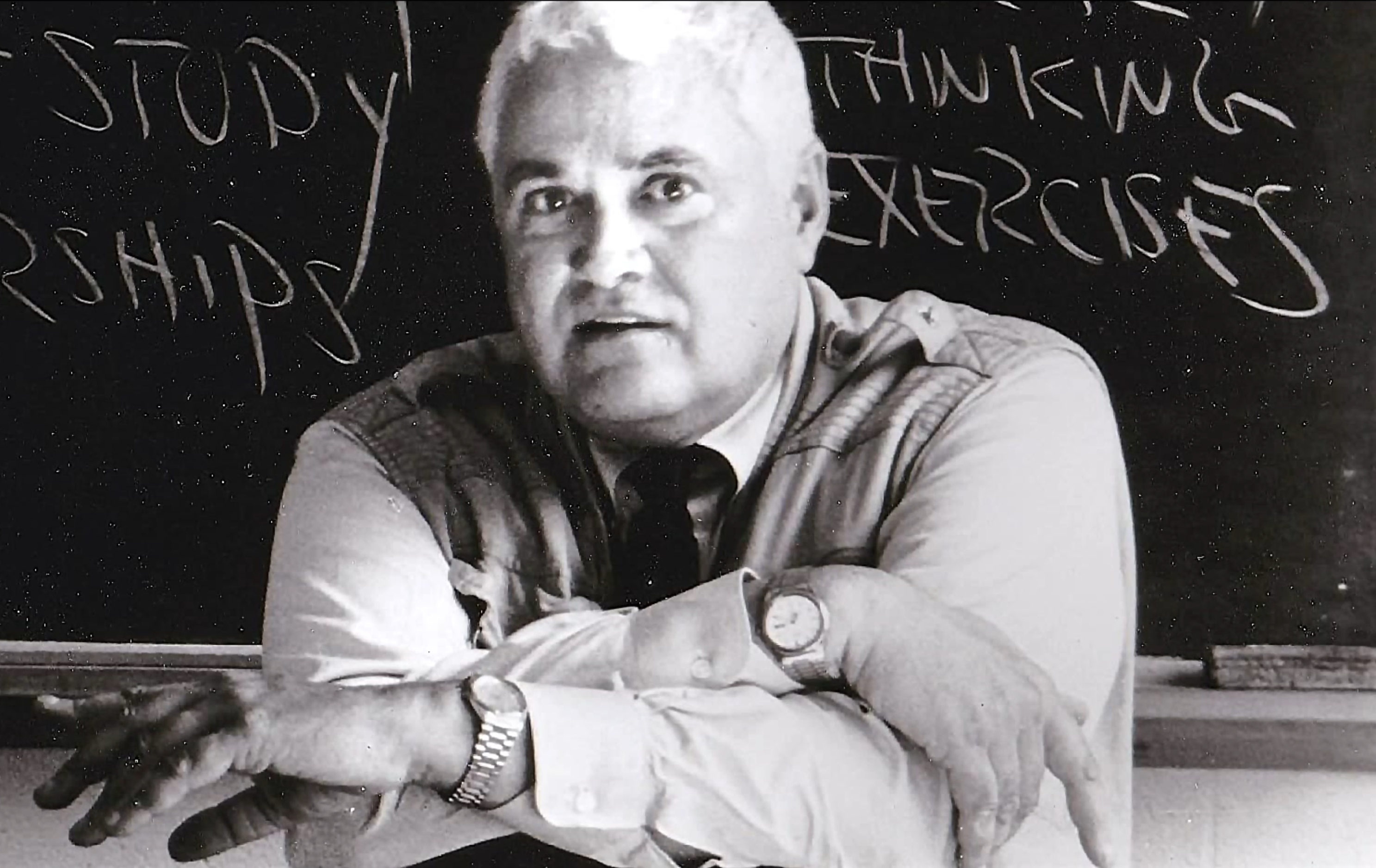
This is a transcript of a lecture given by our mentor John Taylor Gatto
The most famous discipline in Western tradition is that of Jesus Christ. That’s true today, and it was true 1,500 years ago. And the most famous disciples are His twelve apostles.
What did Christ’s model of educational discipline look like?
Well, attendance wasn’t mandatory for one thing. Christ didn’t set up the Judeo compulsory school system. He issued an invitation: follow me. And some did, and some didn’t. And Christ didn’t send the truant officer after those who didn’t.
So as Aron tells me, the first characteristic of this model is a calling. Those who pursued Christ’s discipline did so out of desire. It was their own choice. They were called to it by an inner voice, a voice we never give students enough time alone to possibly hear. And that’s more true of the good schools than it is of the bad ones.
Calling
The first characteristic of Christ’s model is a calling. Those who pursued Christ’s discipline did so out of desire. It was their own choice. They were called to it by an inner voice—a voice we never give students enough time alone to possibly hear. And that’s more true of the good schools than it is of the bad ones.
Commitment
The second characteristic of Christ’s discipline was commitment. Following Jesus was not easy. You had to drop everything else, and there was zero chance you could get rich doing it. You had to love what you were doing. Only love could induce you to walk across deserts, sleep in the wilderness, hang out with riff-raff, and suffer scorn from all the established folks you encountered.
Our present system of schooling alienates us so sharply from our inner genius, most of us are barred from being able ever to hear our calling. Calling in most of us shrivels to fantasy and daydreams as a remnant of what might have been.
Self-Awareness and Independence
The third characteristic of Christ’s model of discipleship was self-awareness and independence. Christ’s disciples were not stooges. They had to think for themselves and draw their own conclusions from the shared experience. Christ didn’t give lectures or handouts. He taught by example, by his own practice, and through parables which were open to interpretation.
R., my coach, personally doubts that Christ ever intended to start a school or an institutional religion, for institutions invariably corrupt ideas unless they are kept small. They regiment thinking and they tend toward military forms of discipline. Christ’s followers started the church, not Christ.
Embodiment and Mastery
And finally, Christ’s model of discipline requires a master to follow who has himself or herself submitted to discipline and still practices it. Christ didn’t say, you guys stay here in the desert and fast for a month; I’ll be over at the Ramada—you can find me in the bar if you need help. He did not begin his own public life until he was himself a rabbi, one fully versed in his tradition.
A Way Out
One way out of the fix we’re in with schools would be a return to discipleship and education. During early adolescence, students without a clear sense of calling might have a series of apprenticeships and mentorships which mostly involve self-education.
Our students have pressing needs to be alone with themselves on quests, to test themselves against obstacles—both the internal ones, the personal demons, and the external barricades to self-direction.
As it is, we currently drown students in low-level busy work, shove them together in forced associations which teach them to hate other people, not to love them. We subject them to the filthiest, most pornographic regimen of constant surveillance and ranking so they never experience the solitude and reflection necessary to become a whole man or woman.
You are perfectly at liberty to believe these foolish practices evolved accidentally or through bad judgment. And I will defend your right to believe that right up to the minute the men with nets come to take you away.
The Challenge of Original Sin
And now the challenge of original sin. The net effect of holding a child in confinement for 12 years and longer without any honour paid to the spirit is an extended demonstration the state considers the Western God tradition to be dangerous.
And of course it is.
Schooling is about creating loyalty to an abstract central authority, and no serious rival can be welcome in a school that includes mother and father, tradition, local custom, self-management, or God.
Conclusion: A brilliant Idea Worth Revisiting
This is a radical proposal, yes—but not a new one. What Christ demonstrated is not just a spiritual path, but an educational one rooted in love, choice, example, and solitude. A model where mentorship replaces management, calling replaces compliance, and where spiritual independence trumps institutional obedience.
We don’t need more standardization. We need more teachers who walk their talk. We need fewer systems and more soul.
And we need to hear, perhaps once again: Follow me.

 The New Art School