

We are living through a moment of exposure. Artificial intelligence did not create the crisis in design education. It revealed it.
Category: Uncategorized
The Hollow Grades
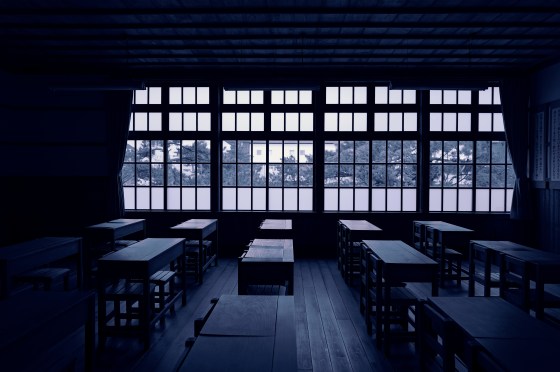
AI didn’t break education, it revealed that we had quietly stopped requiring the thinking and started accepting the product in its place. When a student submits AI-generated work, they haven’t skipped the homework; they’ve skipped the development, the confusion, the cognitive muscle the assignment was designed to build. We are handing out shoes to people we have never let touch the ground.
How to Become a Designer (The Version No One Wants You to Read)
Design has been domesticated into a polite, portfolio-friendly profession—sanitised, aestheticised, stripped of its teeth. But design was never meant to be safe. It was meant to expose, to question, to disrupt.

When Form Forgets Function: The Typographic Overconfidence of Apple’s iPhone 17 Pro
Apple used to speak softly, now it shouts. The iPhone 17 Pro’s new typography is bold, extended, and loud. But in chasing power, has Apple sacrificed the restraint that made its design language timeless? Our latest article unpacks this visual shift and critiques how the company’s typographic voice has grown too heavy for its own harmony.

Craft for the AI Age
A manifesto for mindful design education. It calls for a return to craft as the foundation of judgement, ethics, and creativity in an automated world, reminding us that true innovation begins with care, reflection, and human discernment.

True Creativity Is Priceless: How Education Lost Its Imagination
Contemporary education for prioritising compliance over creativity, reducing students to passive recipients of knowledge. Influenced by thinkers like Ruskin and Freire, we argues that this mechanisation makes AI appear intelligent while genuine creativity suffers. To reclaim education, we must foster imagination and critical thinking in learners.
The Discipline of Commitment in Design Education.
There is no design without devotion. No progress without persistence. No education without commitment.
We explore what it truly means to stay with the process, to teach, to learn, and to design with purpose. Featuring thoughts from Ruskin, Rand, Munari and Vignelli, it’s a reflection on the quiet courage behind every meaningful creative act.
Towards a Dynamic Discipline of Design: A Journey Through Time and Thought
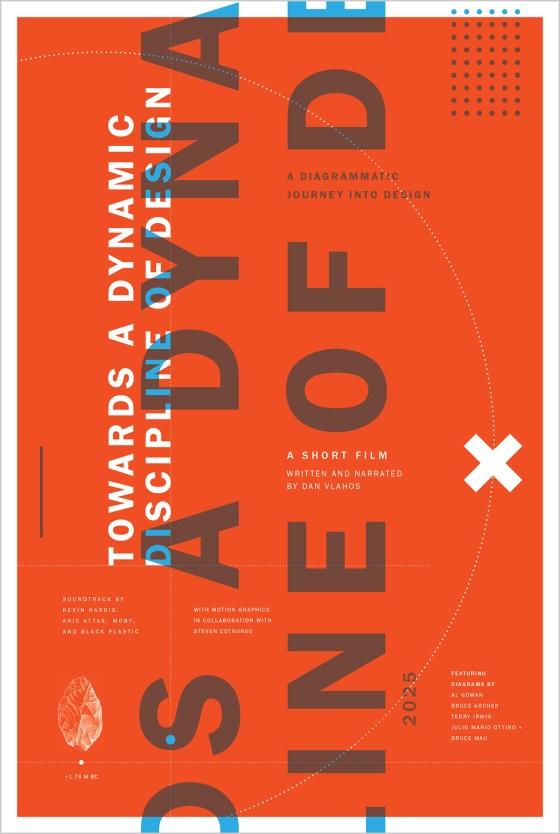
Towards a Dynamic Discipline of Design reimagines design as a fluid, alterplinary force beyond static definitions. Premiering at MODE 2025, the film journeys from ancient hand-axes to systemic futures, showing design as the table for collaboration, innovation, and leadership. Watch the film and join the dialogue.
Return to Discipleship: What Jesus’ Model of Education Reveals About Modern Schooling, by John Taylor Gatto
What if the best model for education wasn’t a school at all, but a calling?
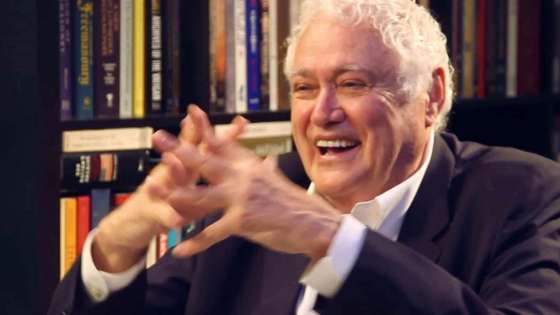
Jesus didn’t build classrooms — he built disciples. His model of formation was voluntary, costly, and rooted in lived practice, not compliance. In my new essay, I explore how returning to this spirit of discipleship could heal the failures of modern schooling and restore calling, commitment, and character to education.

Beyond Thinking: Feeling Our Way Through Design
In a world where design education risks drowning in theory, this essay makes a radical call: put feeling back at the heart of design. Drawing on John Ruskin’s timeless wisdom, the Bauhaus, Bridget Riley, and today’s studios, it argues that true design is not about thinking more cleverly but about seeing, sensing, and feeling more deeply. A must-read for educators, students, and practitioners who believe design should be alive, honest, and profoundly human.
 The New Art School
You must be logged in to post a comment.